Target Fairfax, VA
FREE CONSULTATION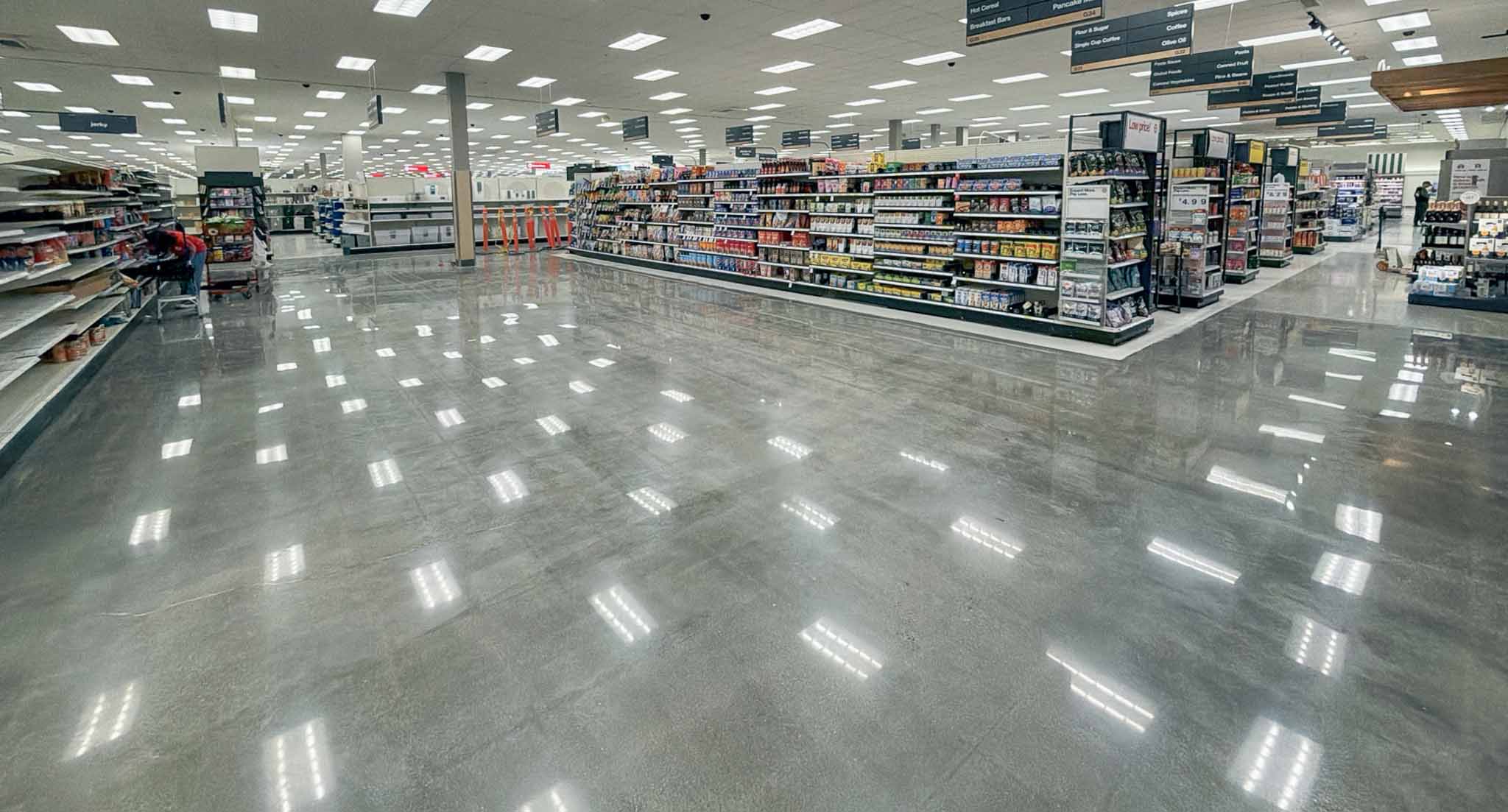
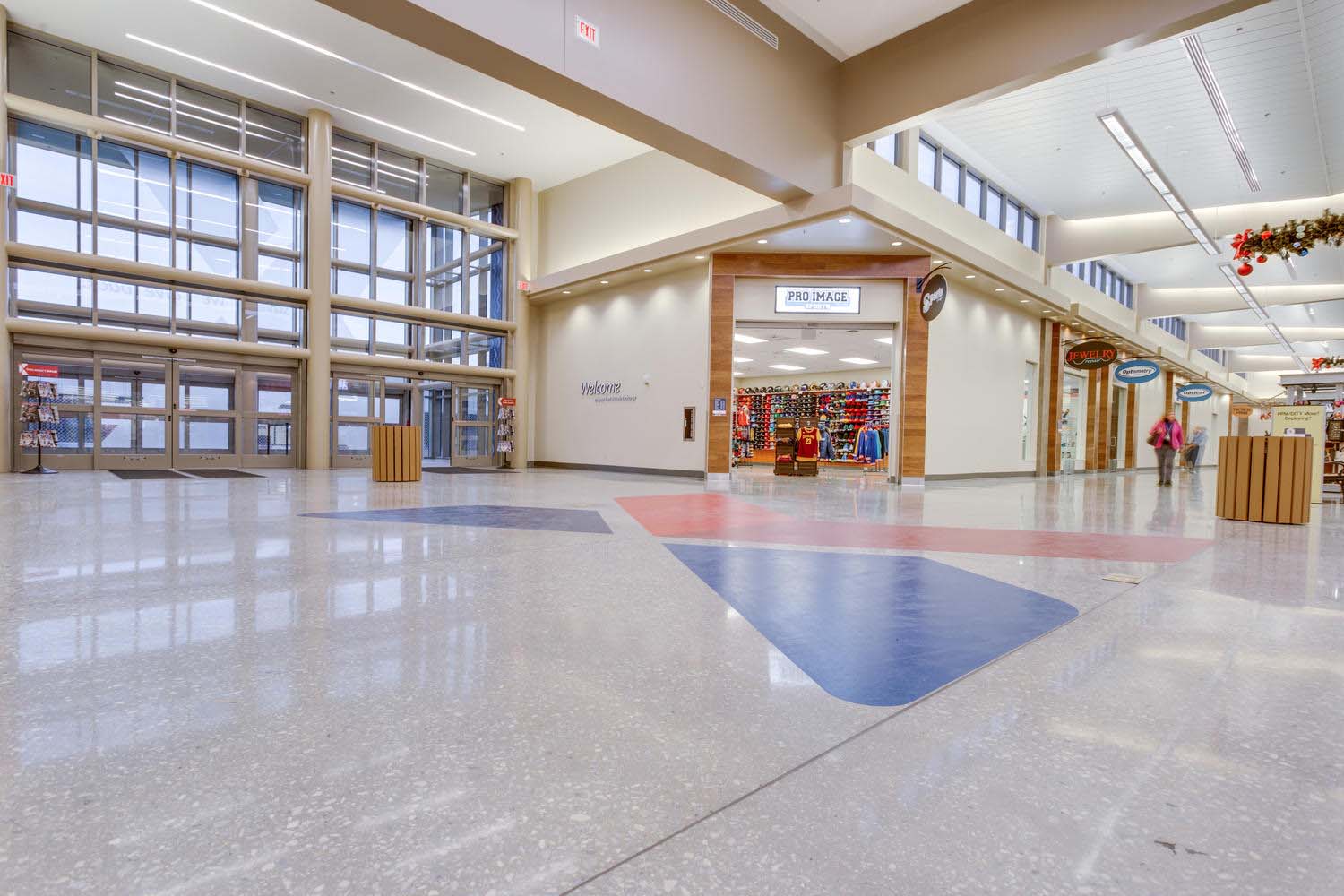
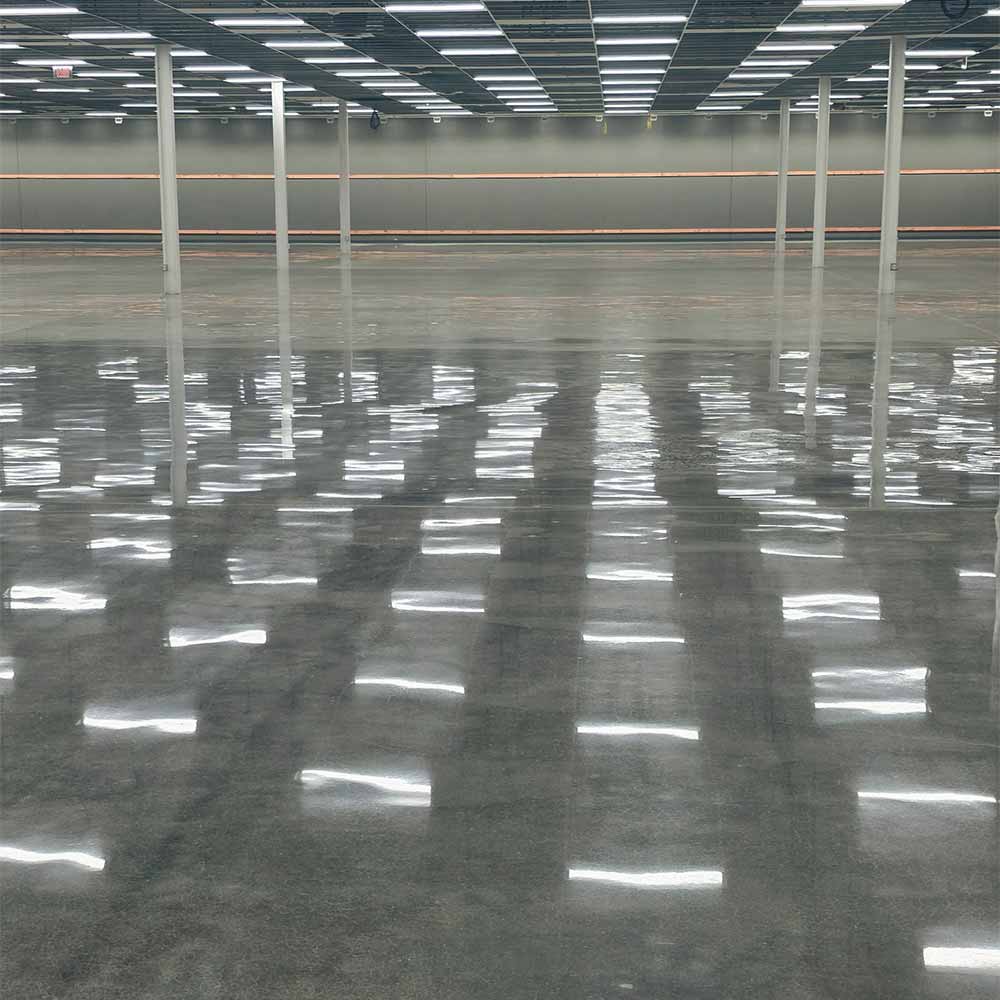
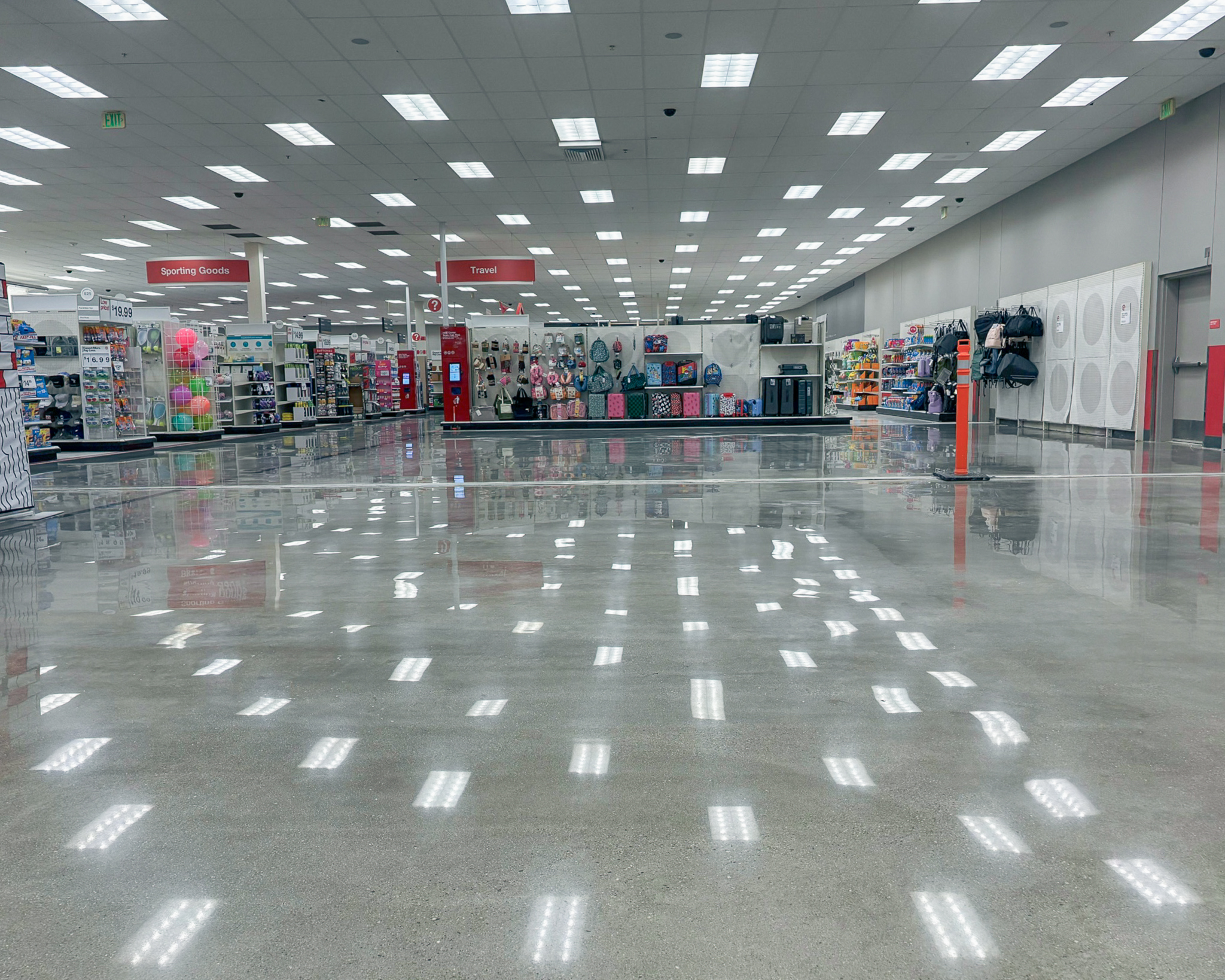
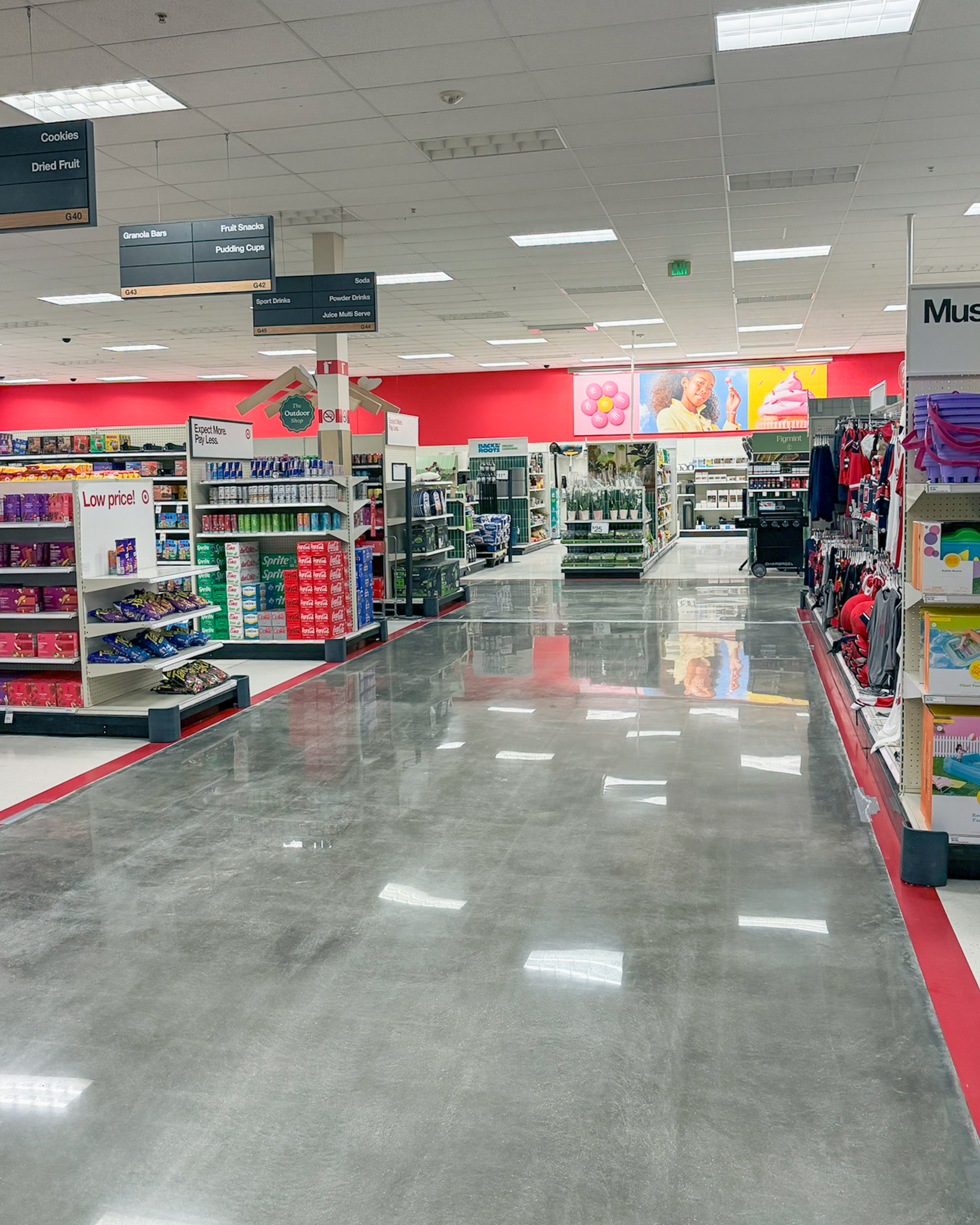
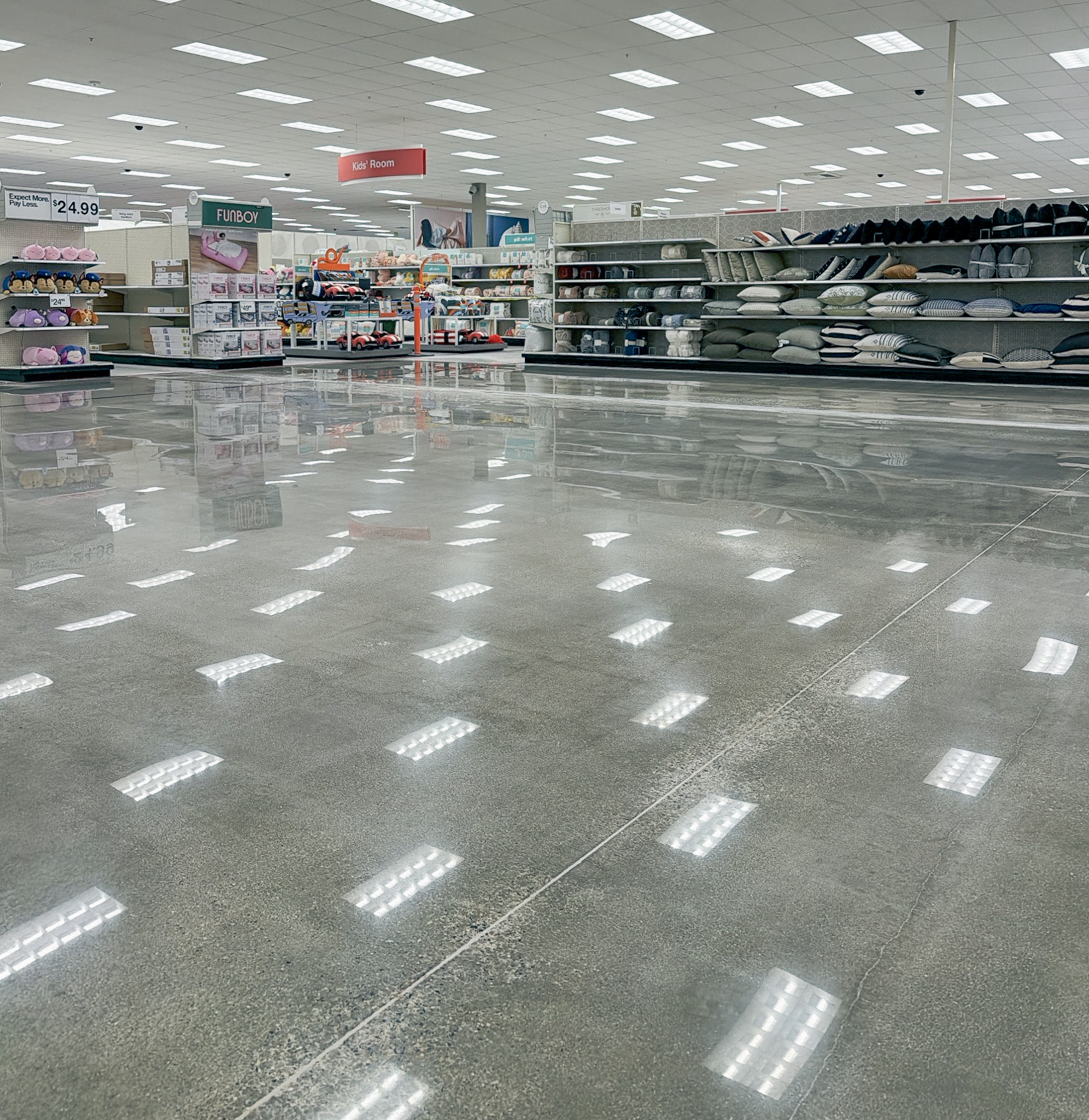
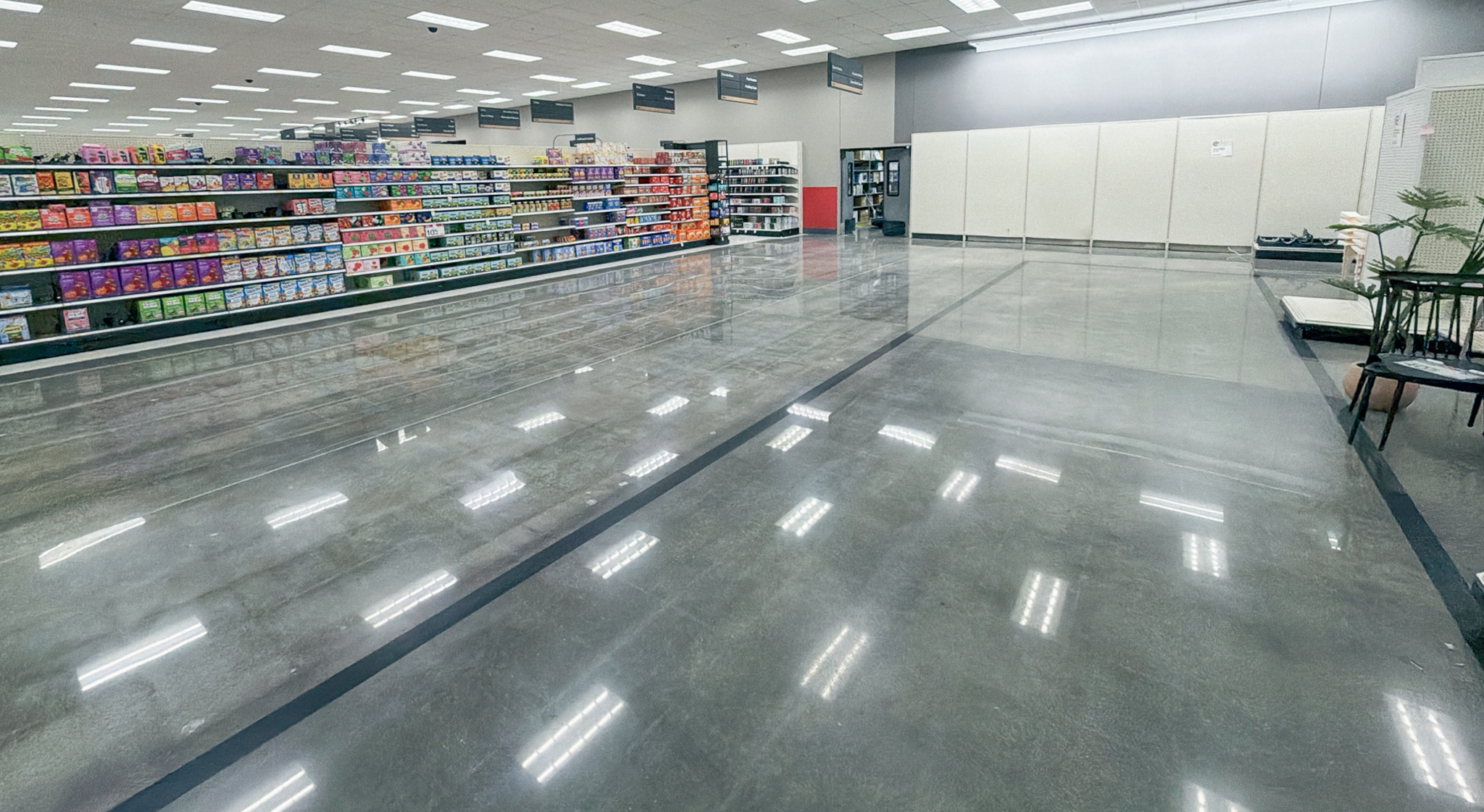
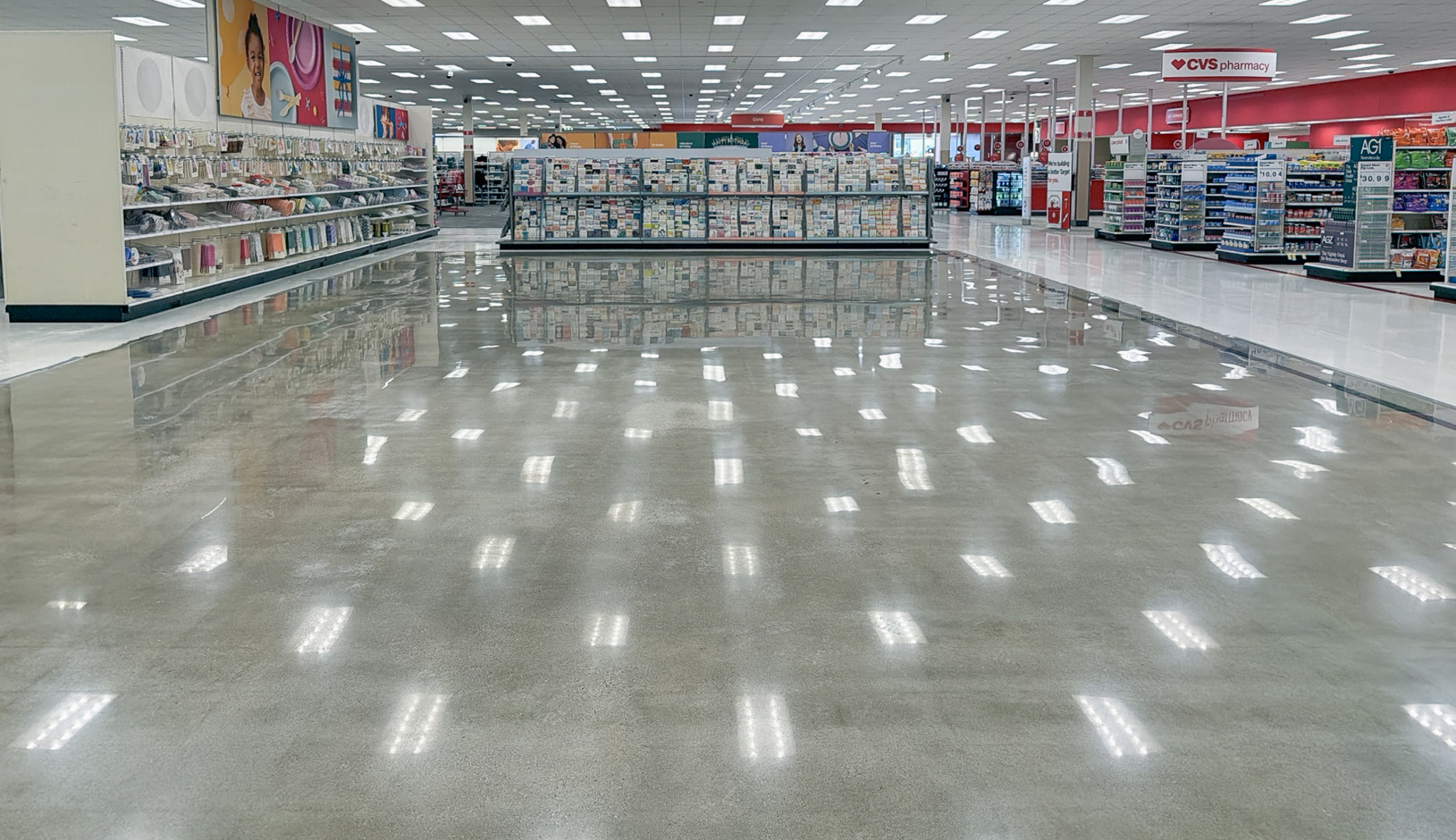
When most people will look at the finished floor inside the Target store in Fairfax, Virginia, they'll see an impressive polished concrete floor and a completed renovation. What they might not see are the weeks of planning, testing, coordination, and logistics required to make that finished product possible.
The Target Fairfax project was more than just an average concrete polishing job. It was a large-scale renovation completed inside an operating store, requiring constant coordination between L.F. Jennings, Target's reset teams, and the flooring crew. Every phase of the project had to be carefully planned to minimize disruption while maintaining quality, safety, and cleanliness throughout the renovation.
Unlike some more typical renovation projects where crews work in an empty building, Target Fairfax remained active throughout construction.
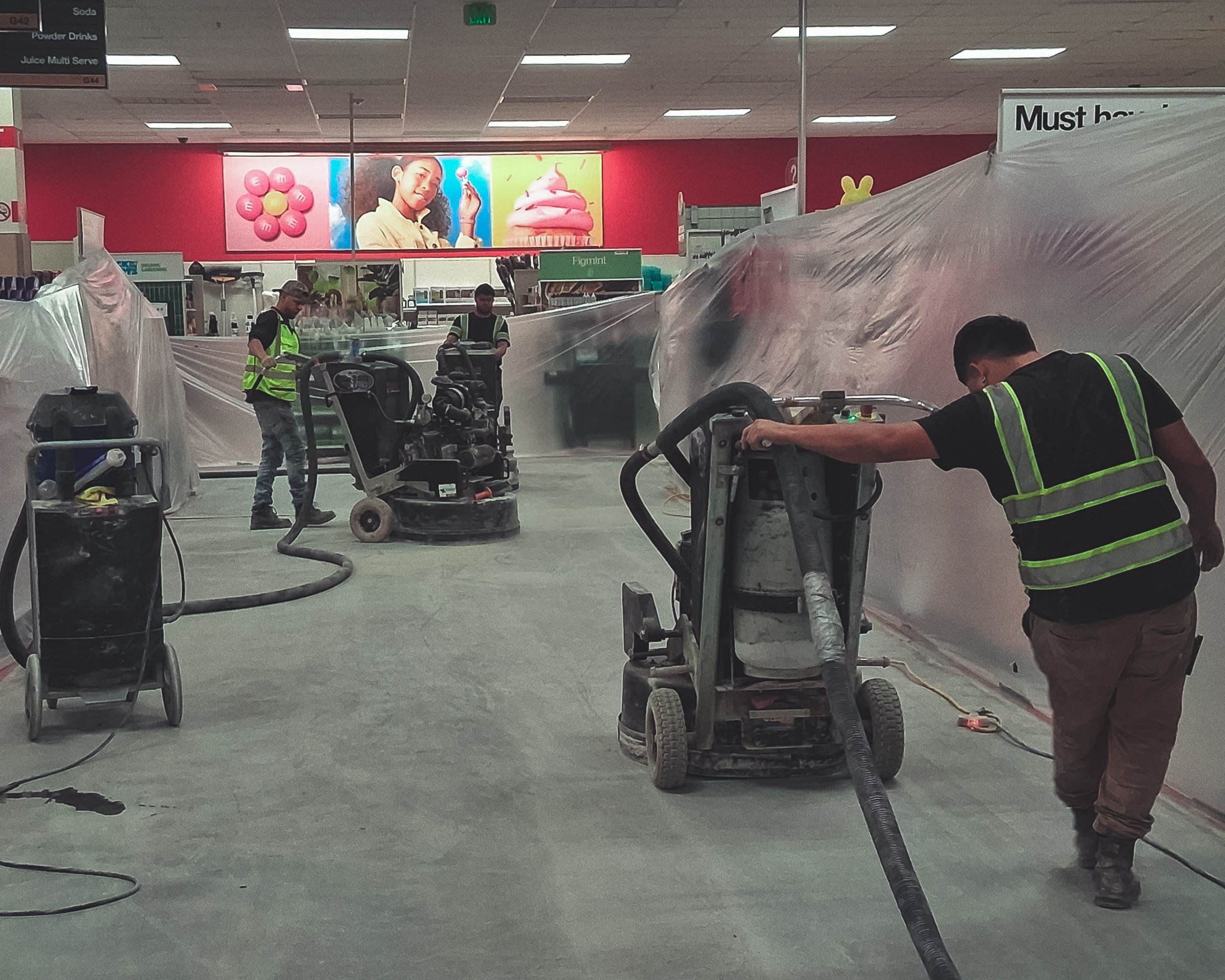
The team worked alongside Target's reset crews, coordinating work areas night after night as different sections of the store became available. Instead of simply following a schedule provided by the general contractor, success required constant coordination between the flooring team, L.F. Jennings, and Target's internal reset teams.
This created a constantly changing work environment where access, schedules, and sequencing had to be adjusted in real time.
One of the biggest logistical challenges was the location of the work itself.
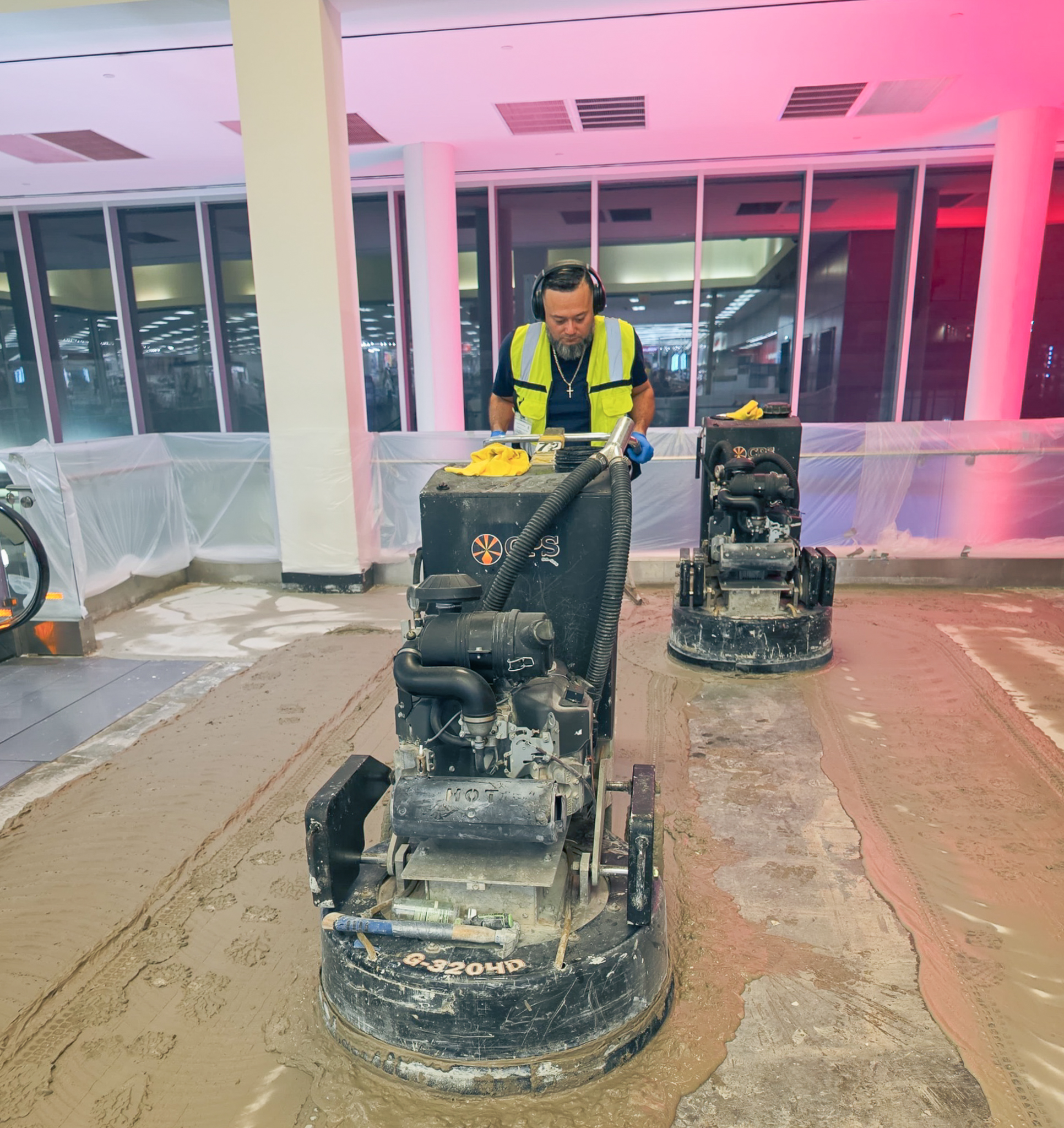
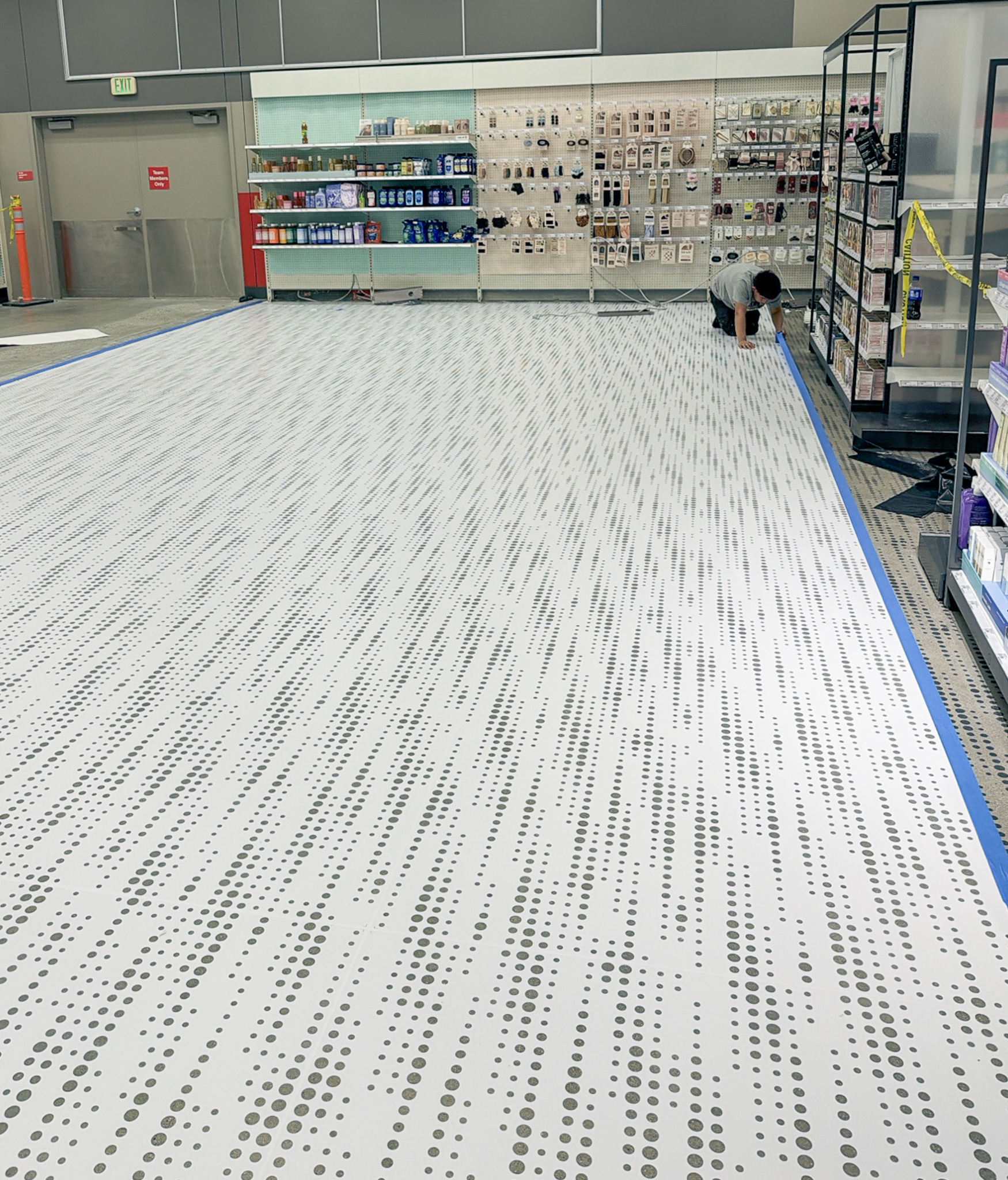
All of the work occurred on the fourth floor of a downtown Fairfax lifestyle center. Existing resilient flooring had to be removed and transported through the store, moved to elevators, and taken out to designated disposal areas.
The process sounds straightforward, but maintaining a clean operating retail environment while removing existing resilient flooring materials requires extensive planning and execution.
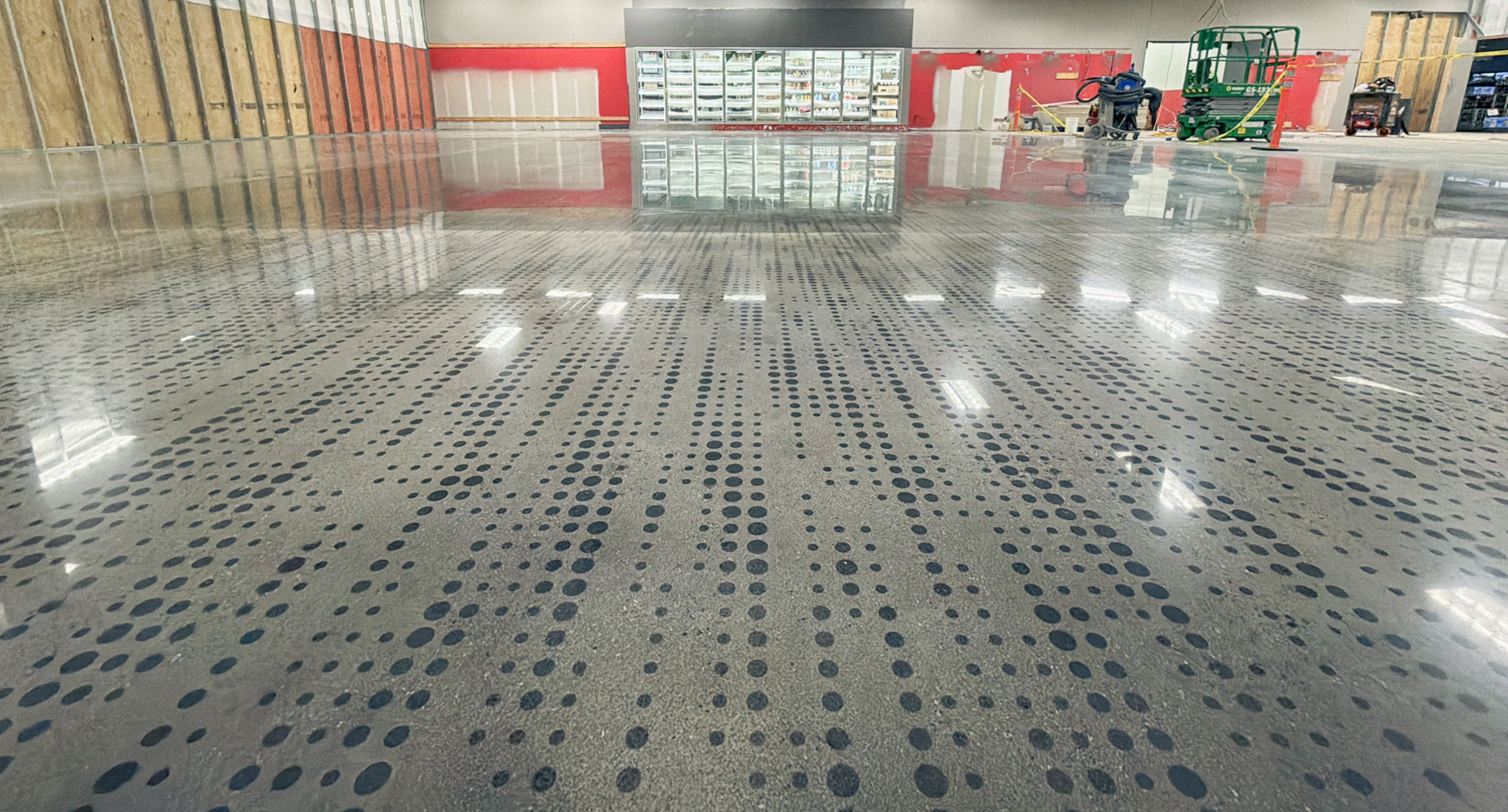
Throughout the project, our team successfully removed the existing resilient flooring, concrete slurry, and demolition debris without creating cleanliness issues, damaging surrounding areas, or disrupting ongoing store operations.
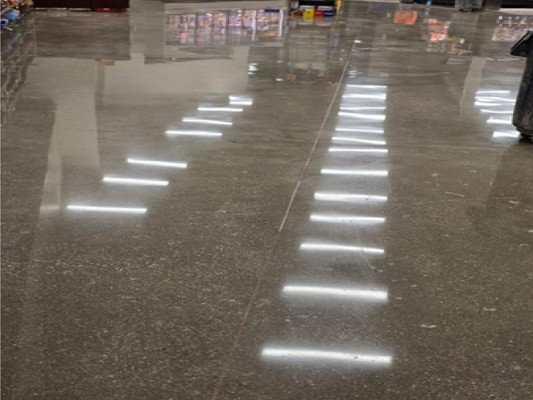
The finished photos show a clean, polished floor. What they do not show are the countless hours spent planning material movement, debris removal, equipment staging, and nightly cleanup procedures.
One of the most interesting aspects of the project occurred before production really began.
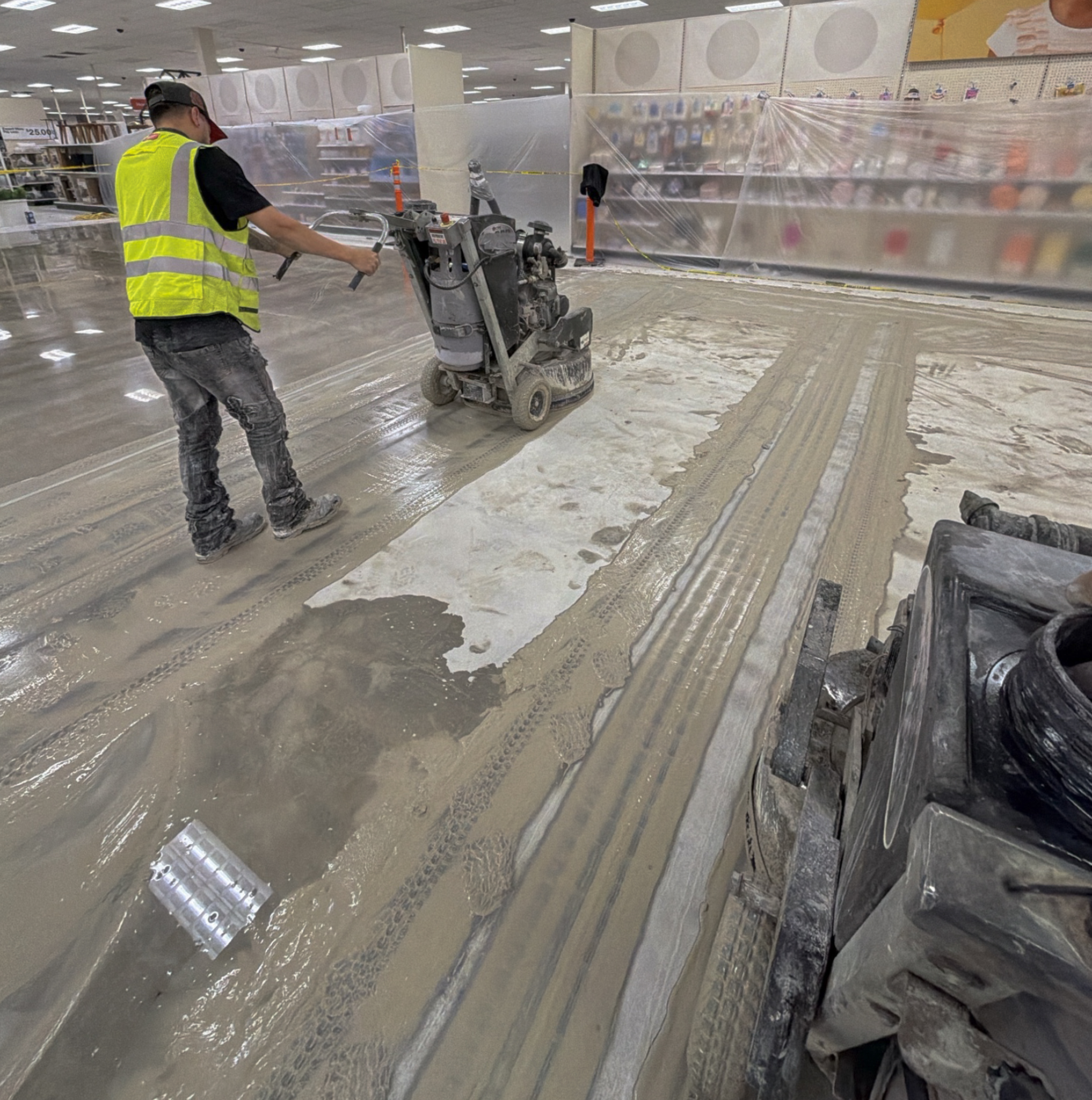
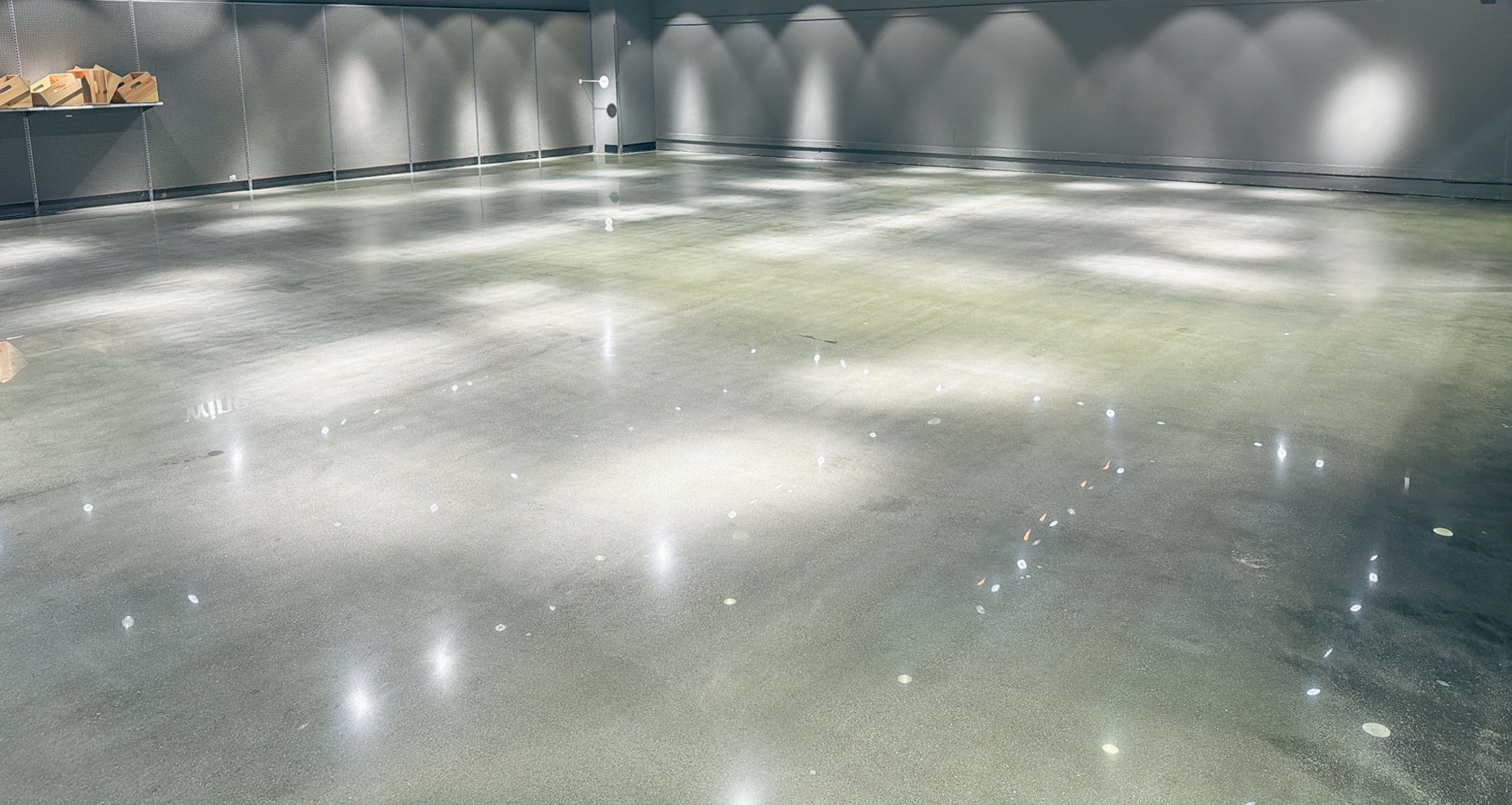
The project specifications restricted the use of water during polishing operations. However, initial testing revealed that fully dry polishing would not achieve the required results that the team was looking for. Traditional wet polishing methods also presented challenges because excessive water could potentially travel across the floor and create issues on lower levels of the building.
Rather than forcing a standard approach, our team conducted mockups and tested multiple methods to determine the best solution for the project. After evaluating several options, a customized hybrid polishing process was developed.
This approach used a controlled misting application combined with a cutting agent rather than a fully wet or fully dry process. The system provided enough moisture to control dust and improve cutting performance while preventing excess water from migrating across the floor.
The result was a process that not only met the project requirements but exceeded the specified finish expectations.
Every concrete slab is different.
Our team understands that specifications may be written around one project in one climate under one set of conditions. However, applying those exact procedures on a different slab in a different environment does not always produce the same results.
Rather than focusing solely on following a predetermined process, our team focused on achieving the performance and appearance required by the specification.
That meant evaluating site conditions, testing different approaches, and adapting the process to the realities of the project.
Target Fairfax became a strong example of how experience, problem-solving, and field testing can produce better results than a one-size-fits-all approach.
The success of the Target Fairfax renovation was not defined by the polished floor alone.
It was defined by Perfect Polish's ability to coordinate with multiple stakeholders, manage complex logistics in an active store environment, maintain exceptional cleanliness, and develop a custom polishing process that exceeded the project's performance requirements.
The finished floor is what customers see. The planning, testing, coordination, and execution behind it are what truly made the project successful.
.jpeg)