Academy of Sciences
FREE CONSULTATION
Achieving the project’s dual goals of flowing seamlessly into the surrounding park landscape and showcasing sustainable building design worthy of an organization dedicated to protecting the earth’s natural beauty called for a collaborative effort between Pritzker Prize-winning architect Renzo Piano, Chong Partners and the Renzo Piano Building Workshop. Combining forces to create an integrative structure for the landmark natural history museum, architects, engineers and designers worked together to renovate and reconstruct the Academy of Sciences into a unified, green restoration.
The Academy of Sciences is expected to capture the U.S. Green Building Council’s coveted Platinum LEED certification—and be the largest public space yet to earn the honor. Attaining Platinum certification requires close attention to every detail of the design and construction process, and materials selection is one of the key elements judged for LEED points. The use of polished concrete flooring aides in LEED certification because, by eliminating the need for potentially corruptive applications such as carpets or tiles, it improves indoor air quality. The lack of adhesives and VOC equals better indoor air quality. Drew Walters of general contractor Bulley and Andrews, a company familiar with concrete polishing says, “Polished concrete does not have the VOC organic content that causes the new building scent. From a VOC standpoint there aren’t as many compounds in the air, which helps with LEED certification.” According to An Engineer’s Guide to Building Green with Concrete, “The U.S. government is adopting green building programs… many agencies are requiring LEED silver certification as a minimum… Concrete can be used in conjunction with the LEED program to earn certification.”
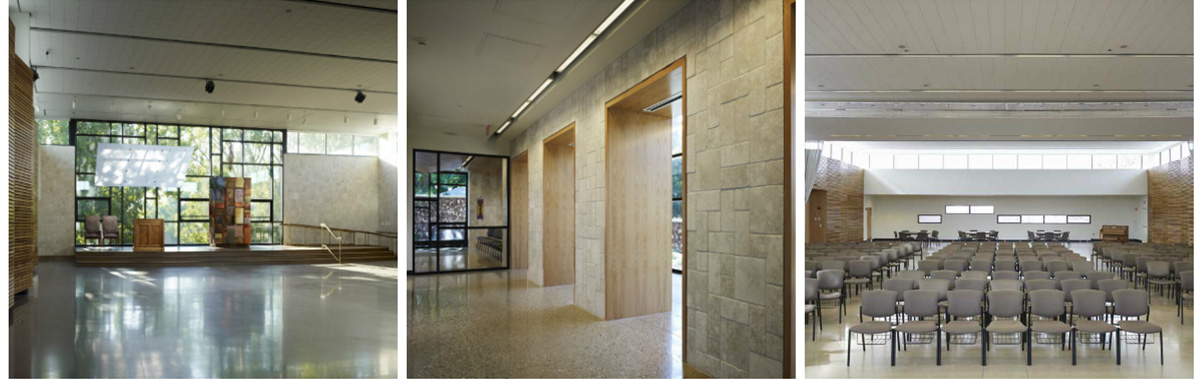
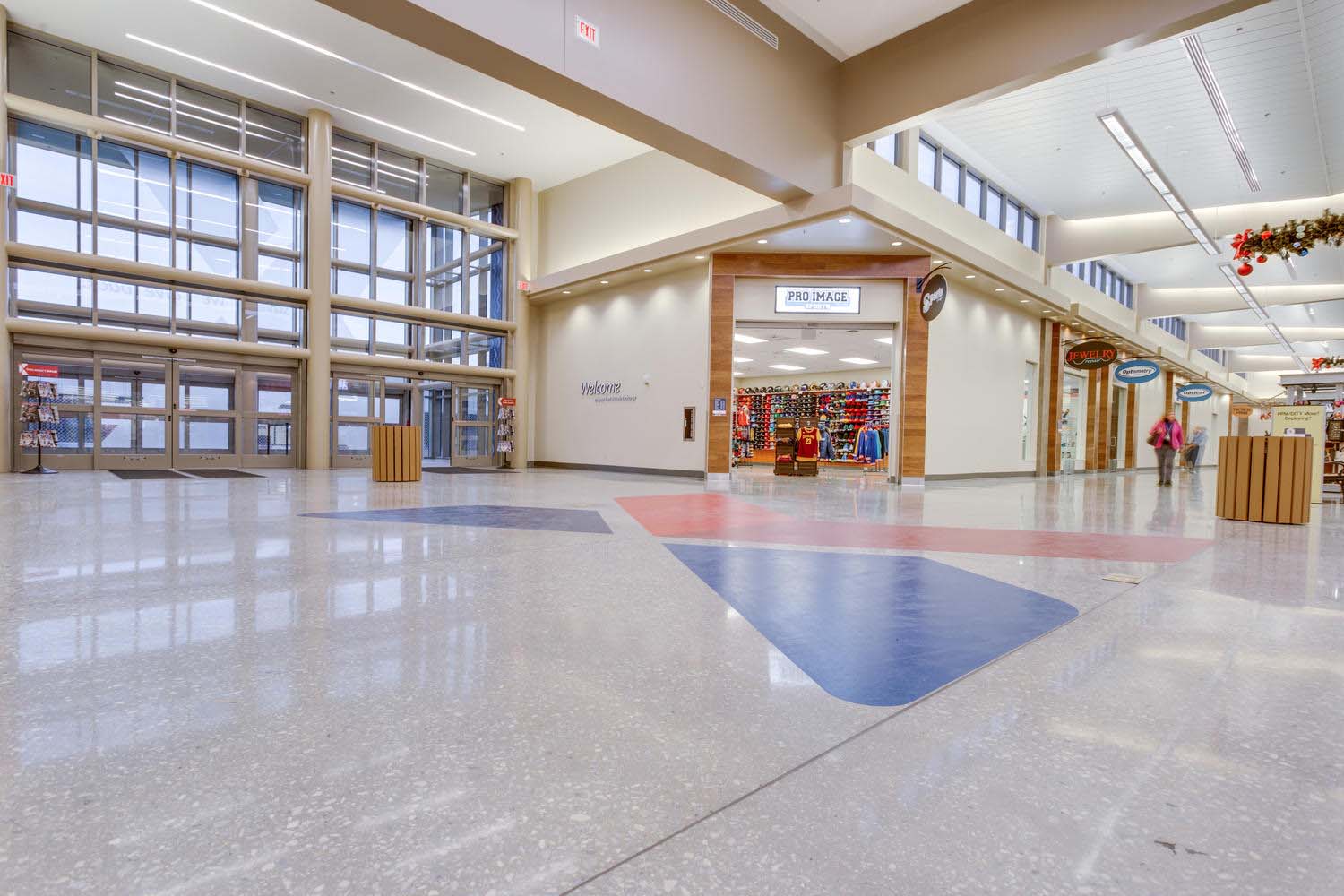
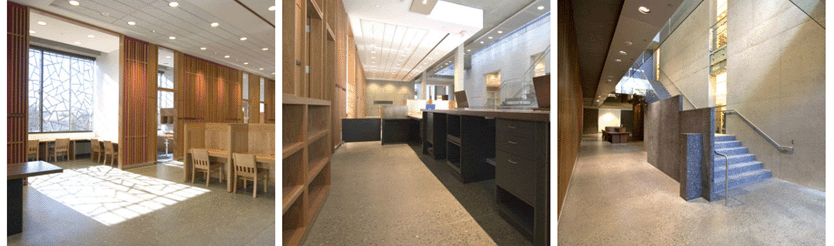
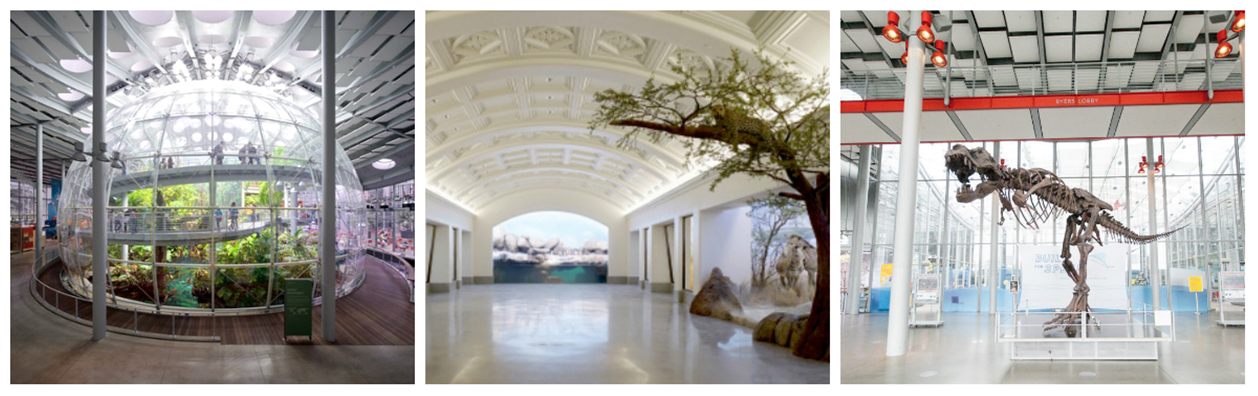
Polished concrete flooring was chosen for the Academy of Sciences to support environmental responsibility, LEED certification, and to fulfill the vision of architect Renzo Piano. Notably gracing the Academy’s central museum space, African Hall, and paving passageways and exhibit areas, the small-aggregate salt-and-pepper polished concrete was carefully considered for sustainability, environmental friendliness, and aesthetic impact. The 180,000 sq. ft. of polished concrete flooring served to keep the project’s environmental impact low while retaining architectural ideals. Jon McNeal, a member of the thirty-person architecture team, explains the choice: “[The architectural] mandate to take the most sustainable route in materials made concrete the right fit for us because it essentially takes away the need to use other materials instead of adding.”. He continues, “It is the idea of taking the frugal, necessary material concrete and treating it enough to make it elegant, clean, durable and beautiful… without painting or covering it up.” McNeal also adds that “Polished concrete extends an earth-focused appeal to the building… it can be a study of an earth element in itself … the undulations, exposures, highs and lows in the look complement the story the museum is telling in its design.”
Concrete is an essential bedrock element to any new construction project, so finishing it without the environmental stress of harvesting, refining and transporting another product to the site means a substantial decrease in the footprint of the project—saving on everything from natural resources to the pollution and costs associated with shipping. In addition to aiding green design in new construction, concrete flooring is one of the simplest, cost-effective, and environmentally-sound flooring applications to maintain for the short and the long term. Even a locally harvested sustainable or recycled floor covering has to be collected, transported and eventually discarded and replaced—creating a vicious cycle. Polished concrete’s grind and polish finish is extremely sustainable because the core slab can be repolished every five to eight years to restore to original shine without the need for any other material. Concrete stands the test of time and will last as long as the Academy of Sciences itself.
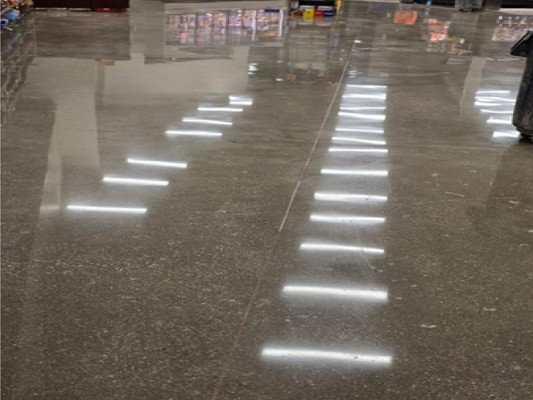
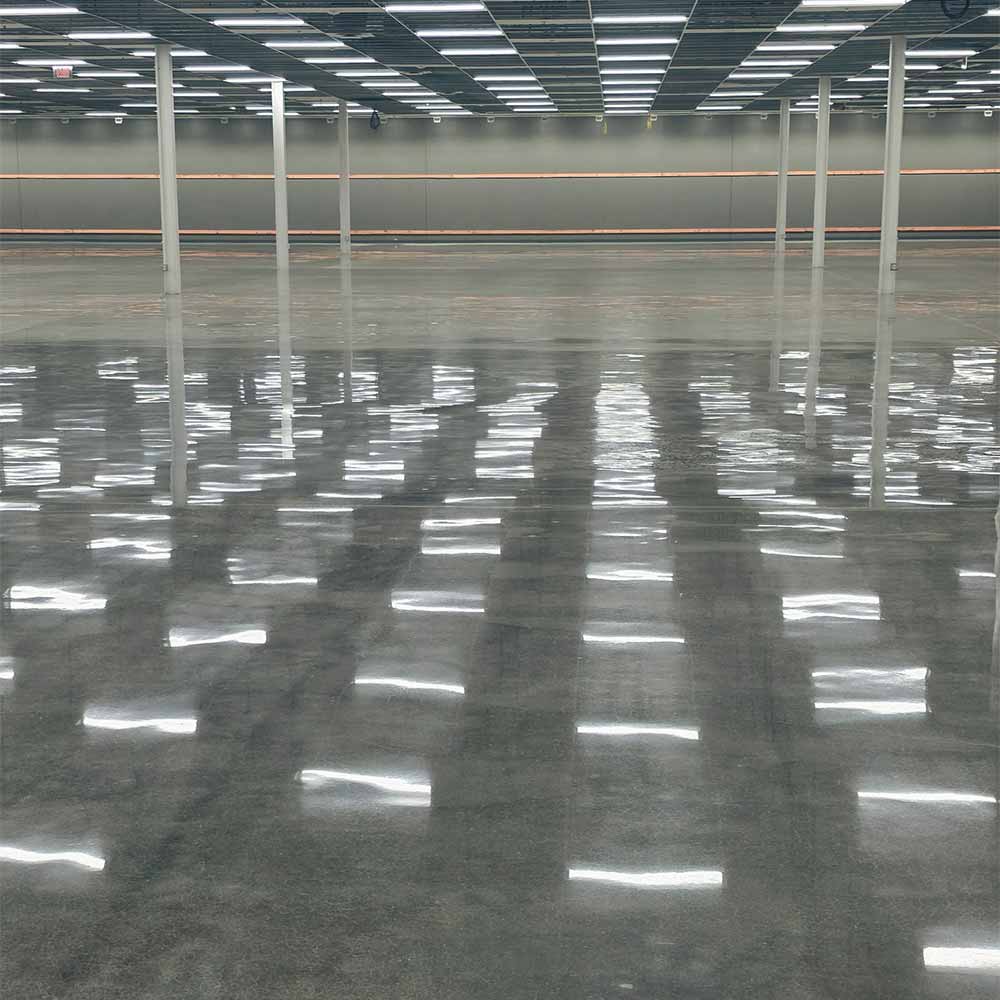
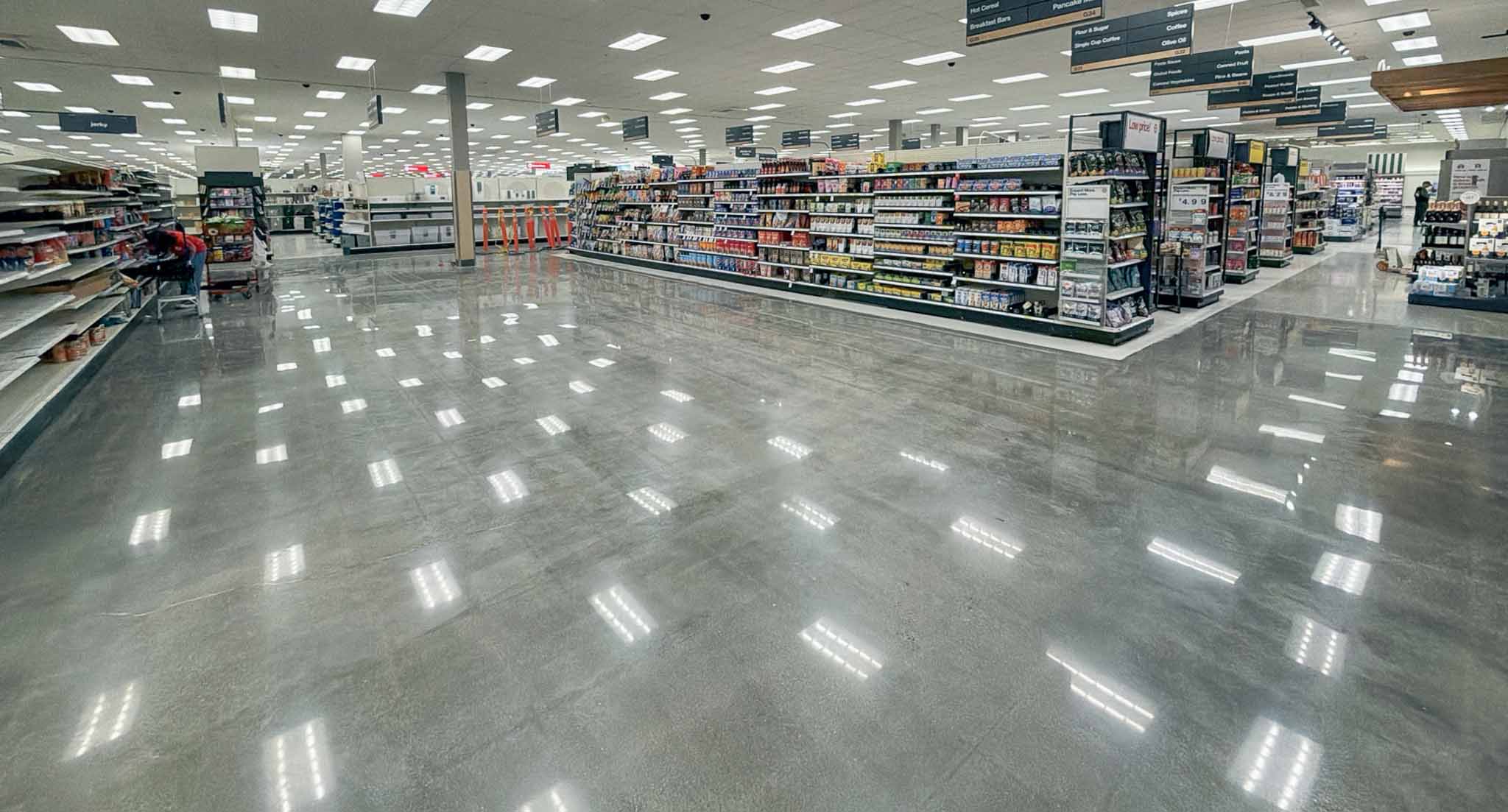
The reflectivity of polished concrete is another winning factor for a building as large as the Academy because, depending on level of shine, it reflects light to save on energy costs of lighting. This reflective property coincides with a special architectural focus of the building on achieving an energy balance of natural lighting. A statement issued by the Renzo Building Workshop explains the strategy: “The structure will be perforated at points… these perforations will naturally light the interior. The glass canopy will have integrated photovoltaic cells, providing power.” The polished concrete flooring application in the Academy will work jointly with the building’s solar-powered and sunshine-filled design to lower energy usage.
Upon completion, the California Academy of Sciences designers’ careful use of resources is sure to inspire some of the thirteen million park-goers expected this year. And, whether they realize it or not, visitors to the natural history museum will be walking on polished concrete flooring, one grey design element that supports Golden Gate Park’s green goals.
LEED Highlights:
Further Reading:

.jpeg)