Q4 Floor Maintenance: How to Plan Your Year-End Shutdown Repairs
FREE CONSULTATION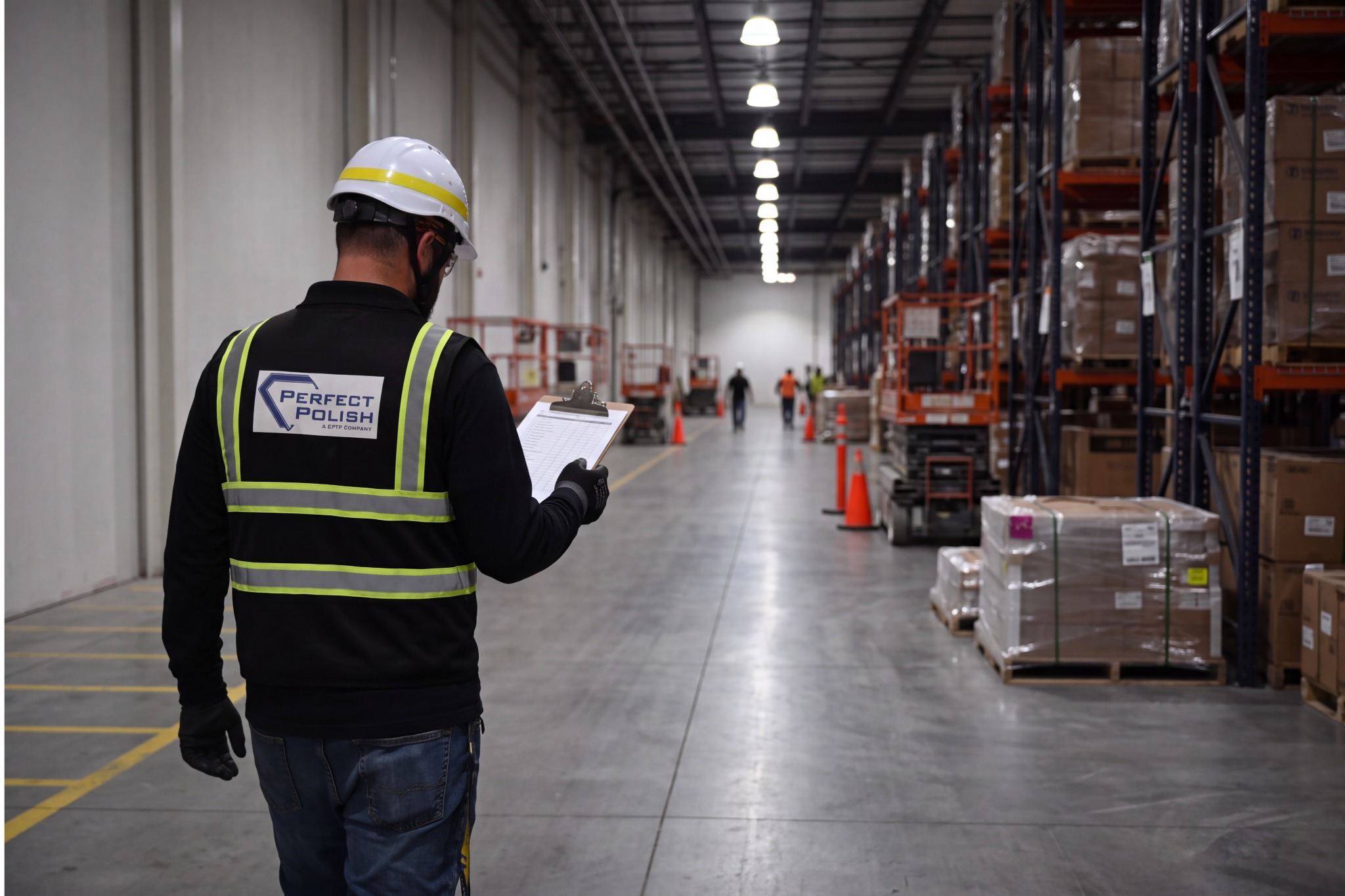
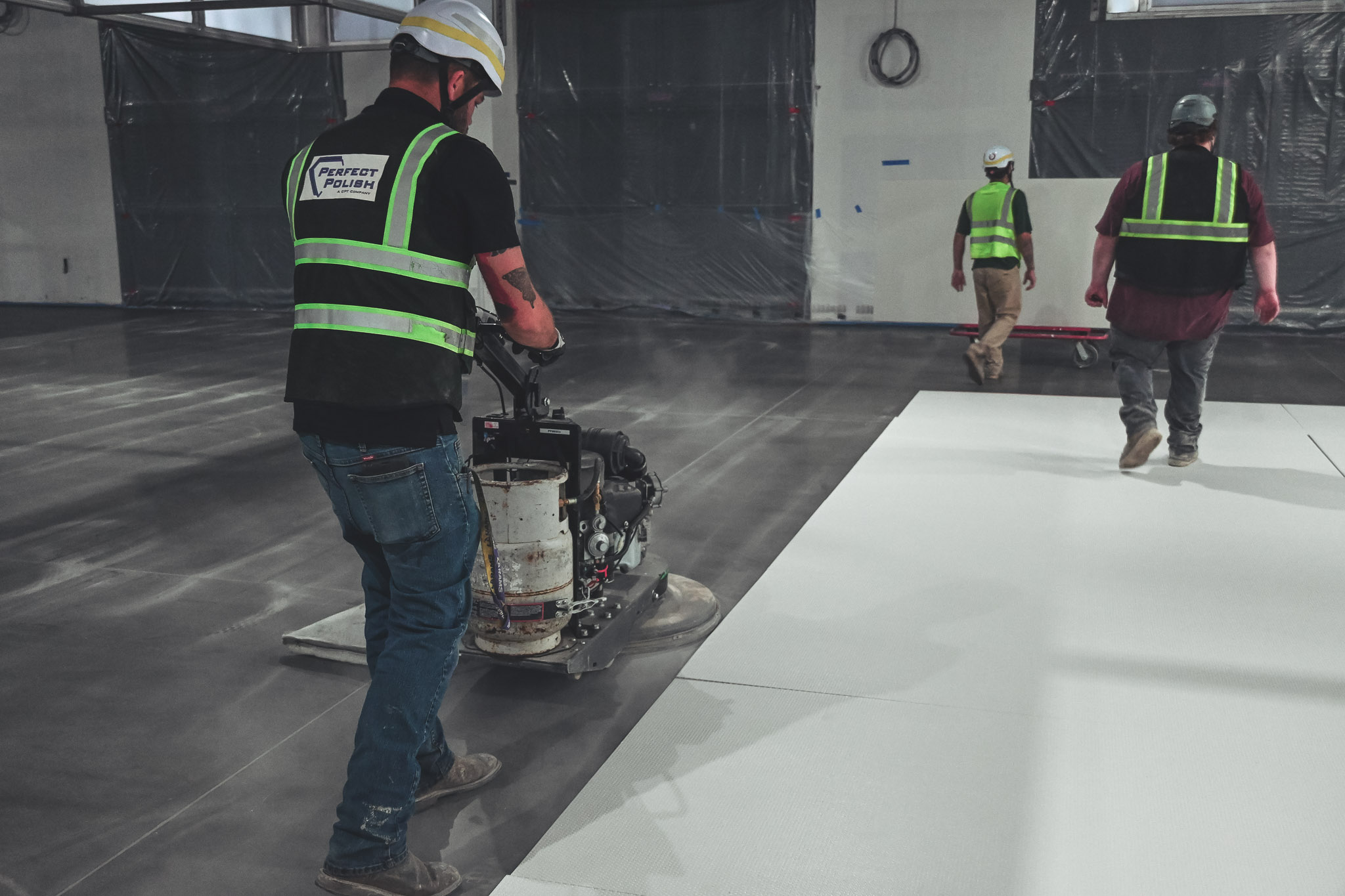
For many facilities, the end of the year is one of the busiest times on the calendar. It's also when many plants and warehouses slow down or close for the holidays. That downtime is one of the best opportunities of the year to complete floor repairs without disrupting production.
For facility and maintenance managers, here's what to know about Q4 floor repairs, which areas to prioritize, and how to make sure your facility is back in operation on schedule.
Clear access to the floor. During normal operations, floor repairs have to work around forklifts, foot traffic, and production schedules. A holiday shutdown gives crews access to areas that are difficult to reach the rest of the year, including main traffic lanes, loading docks, and production zones.
Available year-end budget. Many facilities have maintenance budget remaining in Q4 that may not carry over into the new year. Putting it toward floor repairs now means the work is completed and paid for before the year closes.
Winter conditions can make damage worse. Temperature swings can cause concrete to expand and contract, adding stress to joints and cracks that are already damaged. Repairing them before winter helps prevent larger, more costly problems.
A stronger start to the new year. Entering Q1 with safe, repaired floors means fewer surprises, fewer emergency repairs, and less unplanned downtime.
Floor damage rarely stays minor. A chipped joint can turn into a broken slab edge. A worn coating allows chemicals and wear to reach the concrete. A low spot can become a trip hazard or a recurring puddle.
Left unaddressed, these issues often lead to emergency repairs, which can require shutting down an area, or the entire facility, at an inconvenient time. Emergency repairs can result in:
Planned shutdown repairs cost significantly less than emergency repairs, both in repair costs and in lost production.
Joint and Crack Repair
Joints are under constant stress from forklift traffic, and colder temperatures add to that stress. Look for chipped or broken joint edges, missing filler, joints that bump or rattle under forklifts, and cracks that are widening. Repairing them now protects both your floor and your equipment.
Concrete Leveling
Dips and uneven areas increase wear on forklift wheels, slow down traffic, and create trip hazards. Low spots near docks and drains also collect water, creating slip hazards, or ice hazards near overhead doors during winter. Leveling restores a smooth, even surface.
Concrete Replacement
Some damage is beyond repair. Sunken, shifting, or crumbling sections, especially at docks and high-impact areas, need to be removed and replaced. A shutdown allows the new concrete time to cure before traffic returns.
Coatings Repair
Peeling, bubbling, or worn-through coatings no longer protect the floor and make it harder to keep clean. Repairing damaged areas restores protection against chemicals, impact, and wear.
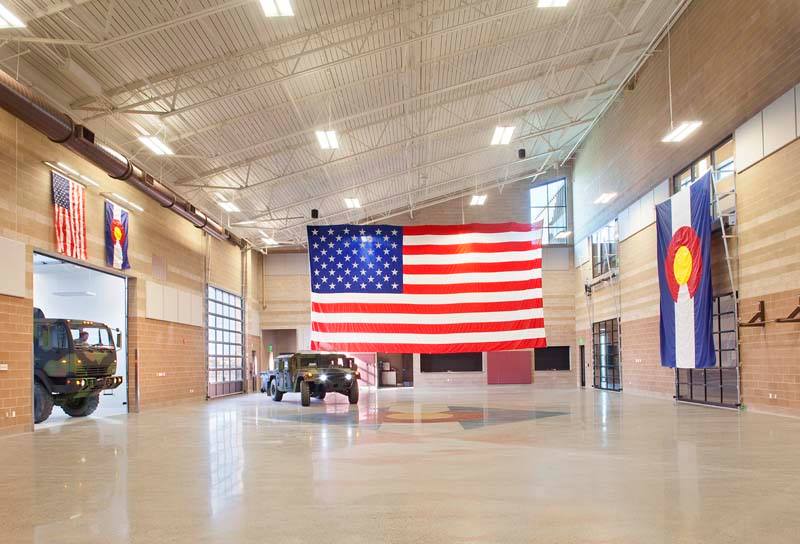
Polished Concrete
Dull, dusting, or worn floors create dust, affect appearance, and are harder to maintain. Polishing restores a dense, bright, easy-to-clean surface that holds up to heavy traffic and improves light reflectivity.
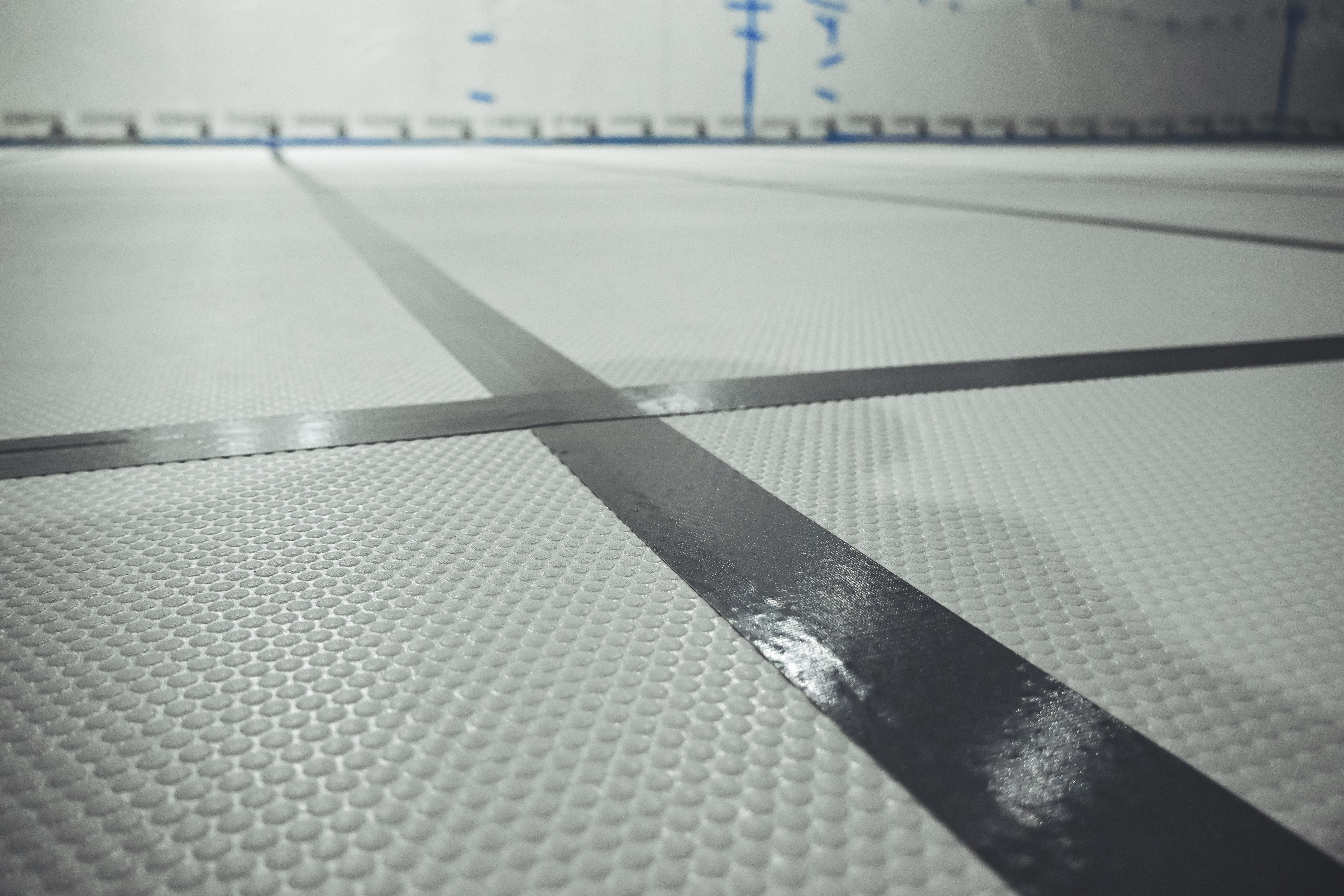
Line Striping
Faded aisle lines, walkways, and traffic lanes create safety risks for both people and equipment. A shutdown is an ideal time to refresh markings or update traffic patterns for new layouts or equipment planned for the new year.
Not every facility can close for the holidays, and retail stores are at their busiest this time of year. Increased foot traffic, carts, and spills all add wear to your floors during the holiday season.
Perfect Polish can work overnight and after hours to complete repairs while your store or facility is closed, so you can open on schedule the next morning. Whether you need work completed during the holiday season or want to schedule repairs for January and February, we'll plan the work around your operating hours.
Use our Shutdown Floor Repair Checklist to walk your floor, identify problem areas, and plan repairs ahead of your shutdown.
Perfect Polish brings the crews, equipment, and experience to handle even the most demanding repairs on tight shutdown schedules. We plan every project around your downtime, including cure times, so each area is ready when you need it.
Holiday shutdown schedules fill quickly, so we recommend planning early. Perfect Polish has the crews, equipment, and experience to make the most of your downtime. Whether it's a full shutdown, overnight, or after-hours work, we'll plan around your schedule and have your facility ready to restart on time.
Call 1 (877) 917-4463 to start planning your shutdown work today.