Protecting Your Floors During Construction: Why It Matters More Than You Think
FREE CONSULTATION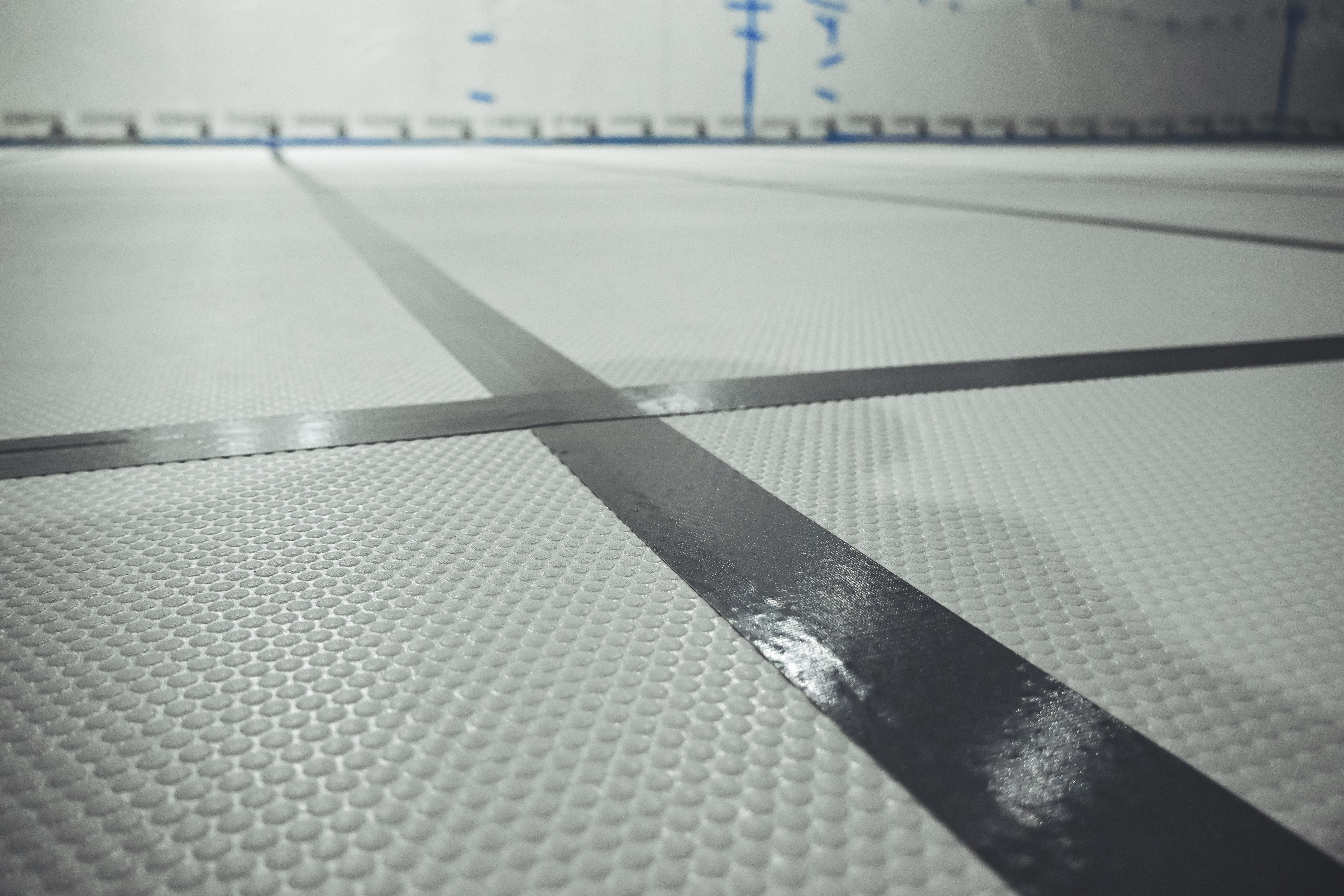
By Perfect Polish Concrete
In construction, a lot of attention is given to installing a floor—but far less is given to protecting it afterward. From our experience at Perfect Polish Concrete, that’s a mistake we see far too often.
A finished floor can look flawless the day it’s completed. But once other trades mobilize, it’s immediately exposed to foot traffic, lifts, tools, dust, moisture, and debris. Without proper protection in place, it doesn’t take long before that same floor begins to show wear and damage. At that point, what was once a finished product quickly turns into a repair project.
After decades in the industry and millions of square feet installed, we’ve learned a simple truth: if you don’t protect the floor, you should expect to fix it.
Not all damage is created equal. Some issues—like light staining or minor surface wear—can be addressed with cleaning or refinishing. But the bigger concern on active jobsites is physical damage that can’t be easily repaired.
We regularly see problems caused by pallets being dragged across the floor, screws or debris embedded in lift tires, and heavy equipment repeatedly traveling over finished surfaces. These situations don’t just leave marks—they can gouge or tear into the floor system itself. When that happens, it’s no longer a simple fix. In many cases, the damaged area has to be cut out and replaced, which is far more invasive, time-consuming, and costly than preventative protection.
This is where proper floor protection makes a measurable difference.
Floor protection is often treated as optional, but in reality, it’s one of the most cost-effective steps in the entire construction process. We’ve seen projects where skipping protection led to significant rework—scratches that required refinishing, contamination that couldn’t be removed, or deep damage that required partial replacement.
In many cases, those repair costs end up being two to three times higher than what protection would have cost in the first place.
Even when full coverage isn’t feasible, protecting key areas—like walkways, access paths, and high-traffic zones—can dramatically reduce risk. Something is always better than nothing, and even partial protection can prevent major issues.
Most contractors are familiar with standard options like Ram Board and Skudo. These products can be effective, but they aren’t always designed for the full range of jobsite conditions we encounter.
Modern jobsites demand more than basic coverage. Effective floor protection needs to withstand heavy equipment traffic, resist impact from dropped tools and materials, and remain stable under constant use. It should also be slip-resistant for crew safety, water-resistant to prevent moisture intrusion, and fire-resistant for phases like overhead fireproofing. Just as important, it must be surface-safe—often with a fabric backing or similar feature to prevent abrasion—and durable enough to be reused when possible. Without these features, protection materials can shift, break down, or allow damage to occur underneath.
Because of these challenges, we’ve seen a shift toward more durable and readily available solutions like Duro Board.
Duro Board is designed with real jobsite conditions in mind. It provides a higher level of protection against heavy traffic and impact while remaining safe for finished surfaces like polished or sealed concrete. Its construction helps prevent movement, reduces the risk of surface abrasion, and stands up to the kind of wear that causes the most costly damage.
Availability is another key factor. On many projects, delays in receiving protection materials leave floors exposed longer than they should be. By sourcing through Perfect Polish Concrete, contractors have access to fast, reliable delivery across the U.S., helping reduce downtime and keep schedules on track.
At the end of the day, floor protection isn’t just about preserving appearance—it’s about protecting the entire project. It helps maintain quality from installation to turnover, prevent avoidable repairs and delays, improve jobsite safety, and reduce overall project costs.
A well-installed floor should look just as good at the end of the project as it did the day it was completed. That only happens when protection is treated as part of the process—not an afterthought.
For us, it’s an extension of the work we do every day.
If you’re planning your next project, it’s worth considering not just how the floor will be installed, but how it will be protected once other trades arrive. Because in our experience, the biggest risks to a finished floor don’t come from installation—they come from everything that happens after.